
Limited batch
Cold-Pressed Oils
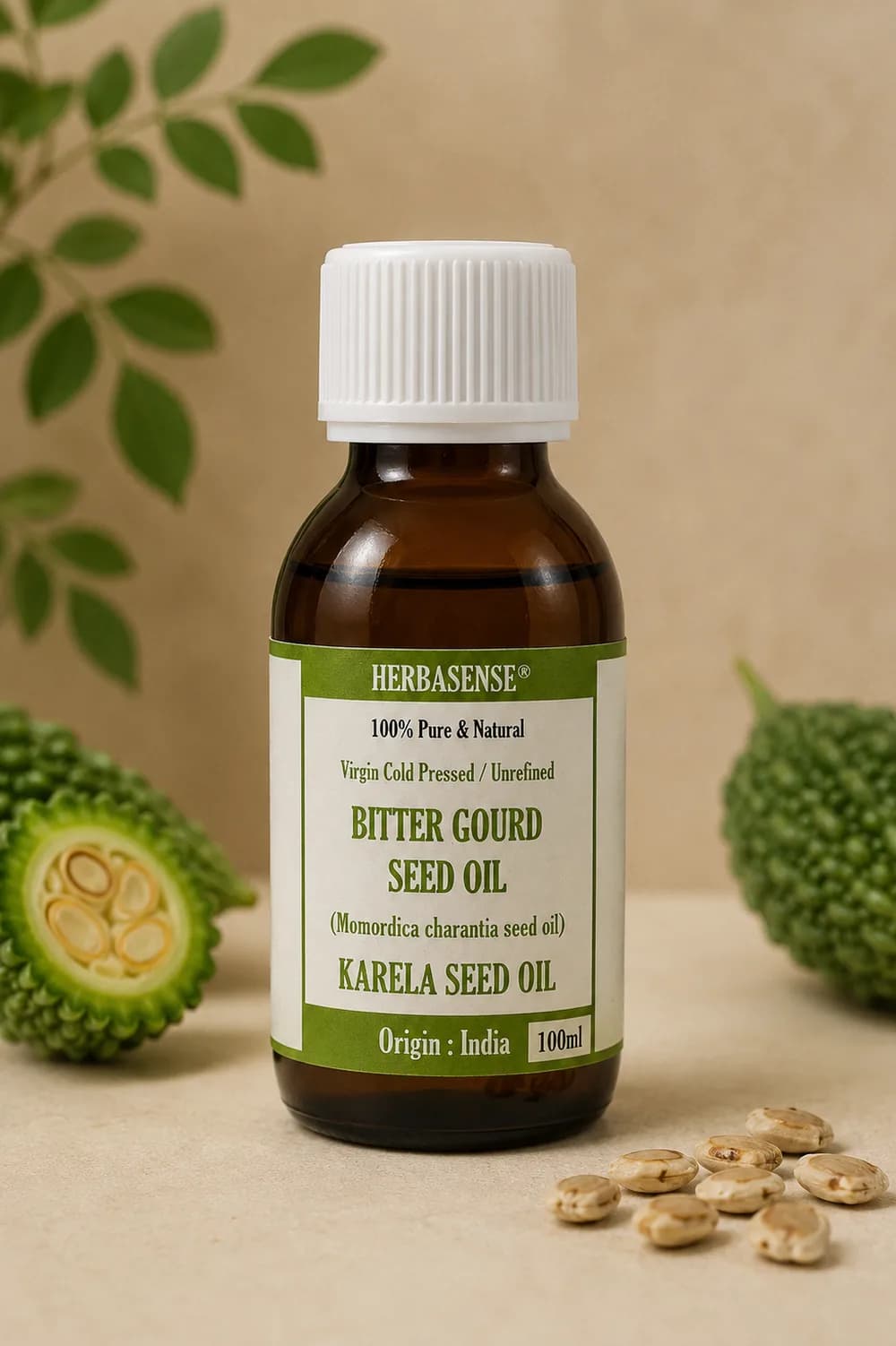
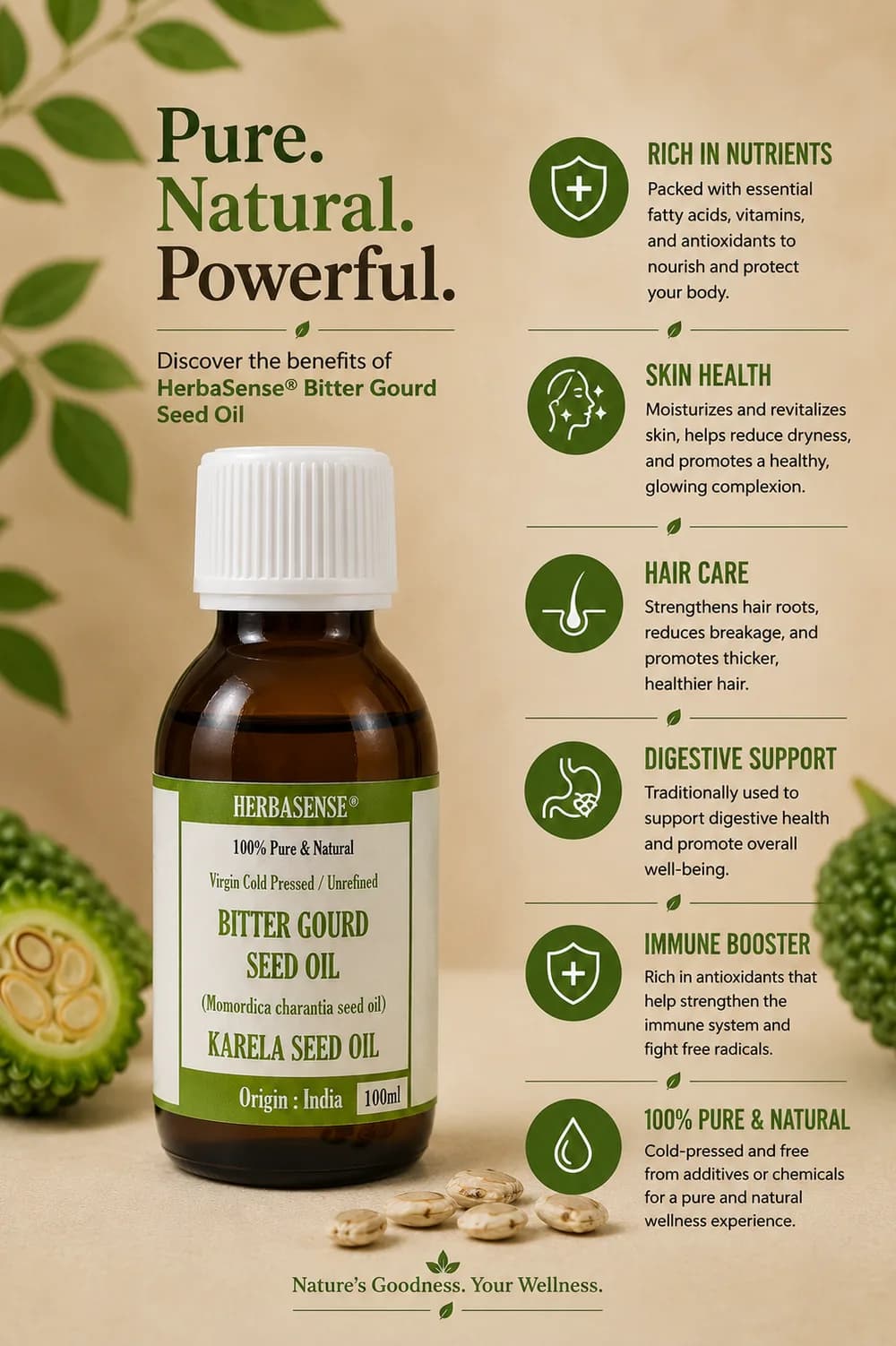
No reviews yetCold-Pressed Bitter Gourd Seed Oil
Rare karela seed oil — conjugated linolenic acid, for skin and sugar routines.
Cold-Pressed Bitter Gourd Seed Oil, £15.99
Cold-Pressed Oils
Moringa oliefera
Cold-pressed oil · Moringa oliefera
Tax included. Shipping calculated at checkout.
Moringa seed oil boasts a rich and diverse chemical composition that underlies its functional properties and widespread applications, particularly in cosmetics and health. Its key components include:
Dominant Fatty Acids (Monounsaturated): - Oleic Acid (Omega-9): This is the most abundant fatty acid in moringa oil, typically making up 70-80% of its total composition. Oleic acid is known for its moisturizing, emollient, and anti-inflammatory properties, contributing significantly to the oil’s ability to hydrate the skin, prevent moisture loss, and soothe irritation.
Other Saturated and Polyunsaturated Fats: - Saturated Fatty Acids (15-30%): Moringa oil contains a notable percentage of saturated fatty acids, which play a crucial role in strengthening the skin’s hydrolipidic film, protecting it from environmental factors, and maintaining hydration. Key saturated fatty acids include:
- Behenic Acid: This is a characteristic saturated fatty acid of moringa oil, giving it the alternative name “Ben oil” or “Behen oil.” It contributes to the oil’s stability and emollient properties.
- Palmitic Acid: Another significant saturated fatty acid.
- Stearic Acid: Important for maintaining the skin barrier and preventing water loss.
- Arachidic Acid: Also present in measurable amounts.
- Polyunsaturated Fatty Acids (approx. 1%): While present in smaller quantities, polyunsaturated fatty acids are vital for skin health.
- Linoleic Acid (Omega-6): This essential fatty acid contributes to the maintenance of the skin’s impermeable barrier, supports lipid organization in the stratum corneum, and aids in skin repair processes, including neoangiogenesis and dermal regeneration.
Rich Content of Antioxidants, Vitamins, and Phytosterols: - Antioxidants: Moringa oil is highly valued for its strong antioxidant profile, which contributes to its stability against oxidation and its ability to combat oxidative stress in the body and on the skin. Key antioxidants include:
- Vitamin E (Tocopherols): A well-known antioxidant that scavenges free radicals, protecting both the oil from rancidity and skin cells from oxidative damage, which is a primary factor in photoaging.
- Carotenoids: These are precursors to Vitamin A and possess potent antioxidant properties.
- Zeatin, Quercetin: Other beneficial antioxidants found in moringa seed oil.
- Vitamins: Beyond Vitamin E, moringa seed oil contains other vitamins that contribute to its nourishing properties.
- Phytosterols: These plant compounds are structurally similar to cholesterol and offer various benefits, including anti-inflammatory, antioxidant, and moisturizing effects. They can also help reduce LDL cholesterol levels. Dominant phytosterols in moringa oil include:
- β-Sitosterol: A major phytosterol component.
- Stigmasterol: Another significant phytosterol.
- Campesterol: Also present in the phytosterol fraction.
- Δ5-Avenasterol: Contributes to the overall phytosterol content.
This comprehensive chemical makeup, particularly the high oleic acid content coupled with a diverse array of saturated fats, antioxidants, vitamins, and phytosterols, makes moringa seed oil a valuable ingredient with remarkable moisturizing, protective, anti-inflammatory, and regenerative properties, explaining its wide use in personal care and therapeutic applications.
Table 1: Detailed Fatty Acid Composition of Moringa Seed Oil
Fatty Acid
Cold Press (Mean ± SD)
n-Hexane (Mean ± SD)
Overall (Mean ± SD)
Range (Overall)
% SFA
% MUFA
% PUFA
Caprylic (C8:0)
0.03 ± 0.01
0.02 ± 0.01
0.03 ± 0.01
ND–0.04
Myristic (C14:0)
0.15 ± 0.06
0.11 ± 0.07
0.12 ± 0.07
ND–0.24
Palmitic (C16:0)
5.82 ± 0.39
6.41 ± 0.95
6.25 ± 0.86
5.40–9.07
Palmitoleic (C16:1)
1.27 ± 0.15
1.41 ± 0.75
1.37 ± 0.63
0.82–3.44
Margaric (C17:0)
0.07 ± 0.03
0.08 ± 0.02
0.07 ± 0.02
0.04–0.09
Stearic (C18:0)
4.81 ± 1.09
5.03 ± 1.06
4.97 ± 1.03
2.68–6.00
Oleic (C18:1)
73.59 ± 5.00
73.56 ± 2.91
73.57 ± 3.38
67.79–79.50
Linoleic (C18:2)
0.55 ± 0.36
0.83 ± 0.41
0.76 ± 0.41
ND–1.29
Linolenic (C18:3)
0.70 ± 1.00
0.36 ± 0.65
0.46 ± 0.74
ND–2.20
Arachidic (C20:0)
2.99 ± 0.74
3.32 ± 0.69
3.23 ± 0.70
2.14–4.08
Gadoleic (C20:1)
1.86 ± 1.25
1.79 ± 0.74
1.81 ± 0.85
ND–2.64
Behenic (C22:0)
5.97 ± 0.69
6.04 ± 0.81
6.02 ± 0.75
4.57–7.10
Erucic (C22:1)
0.13 ± 0.02
0.10 ± 0.07
0.11 ± 0.06
ND–0.19
Lignoceric (C24:0)
ND
0.54 ± 0.77
0.36 ± 0.63
ND–1.08
Cerotic (C26:0)
1.02 ± 0.16
0.86 ± 0.49
0.92 ± 0.39
ND–1.21
Total SFA
20.58 ± 2.89
21.40 ± 2.08
21.18 ± 2.24
17.24–23.79
Yes
Total MUFA
76.81 ± 4.11
76.70 ± 2.57
76.73 ± 2.89
71.70–80.70
Yes
Total PUFA
1.25 ± 0.64
1.16 ± 0.48
1.18 ± 0.50
0.41–2.20
Yes
Export to Sheets
Customer voices
Be the first to share how you got on with it — photos welcome.
Sign in to share your experience — we only publish reviews from real accounts.
Ask the herbalists
Anything you'd want to know before ordering — how to take it, what it goes with, how long a jar lasts — ask here and we'll answer it.
Cold-Pressed Oils
No reviews yetRare karela seed oil — conjugated linolenic acid, for skin and sugar routines.
Cold-Pressed Oils
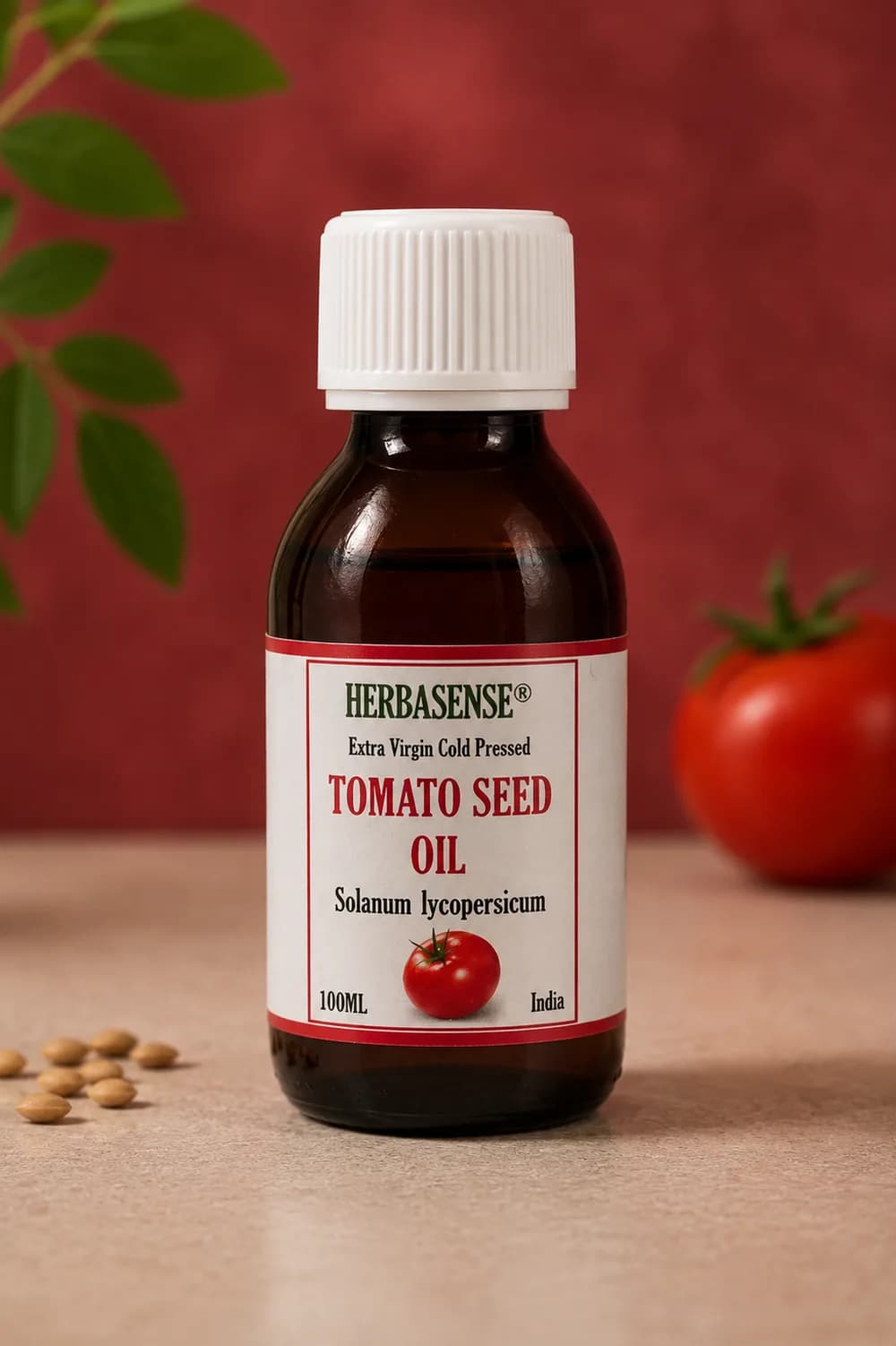
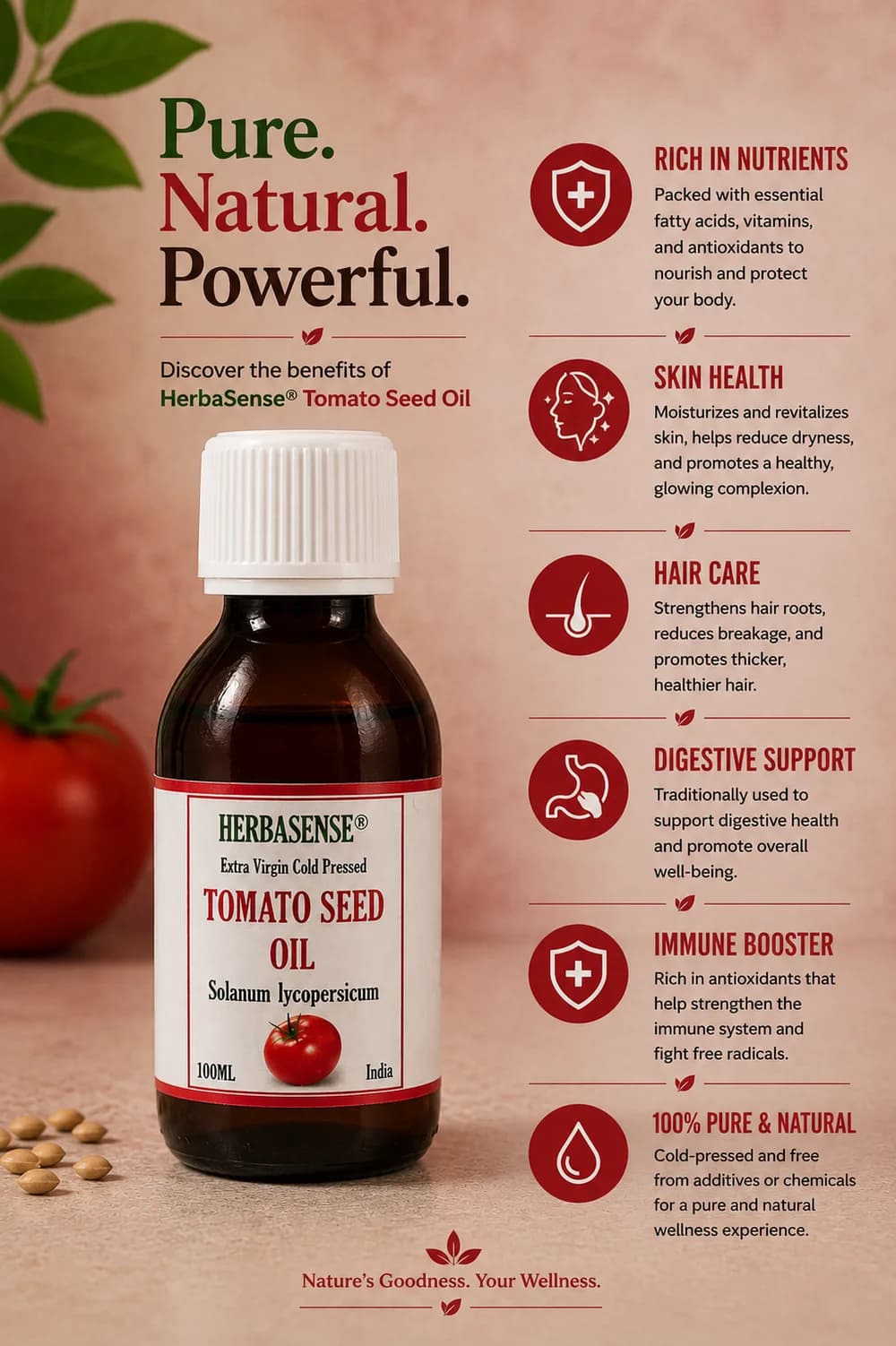
No reviews yetLycopene-rich and linoleic-heavy — a facial oil that suits oily skin.
Cold-Pressed Oils
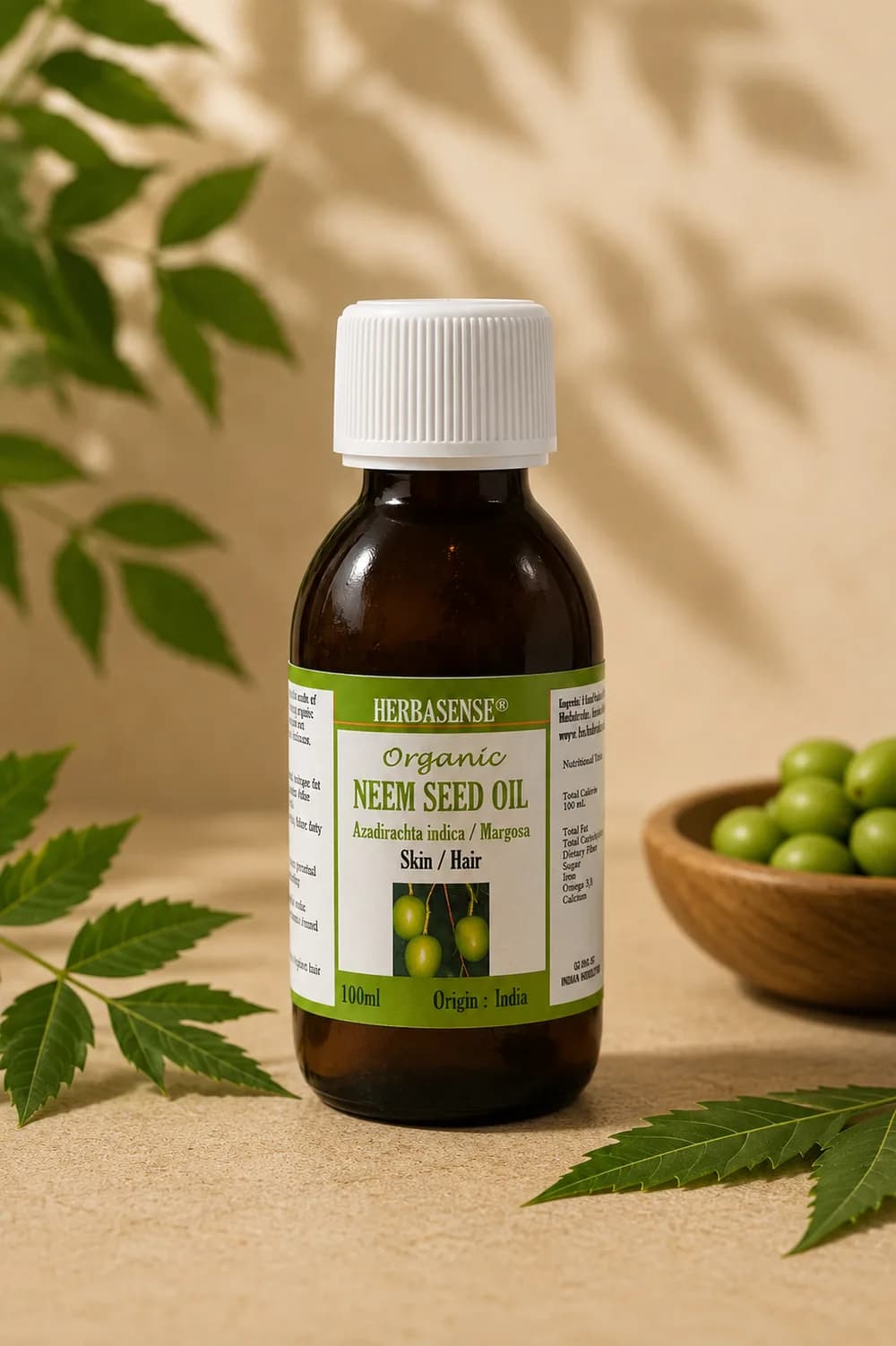
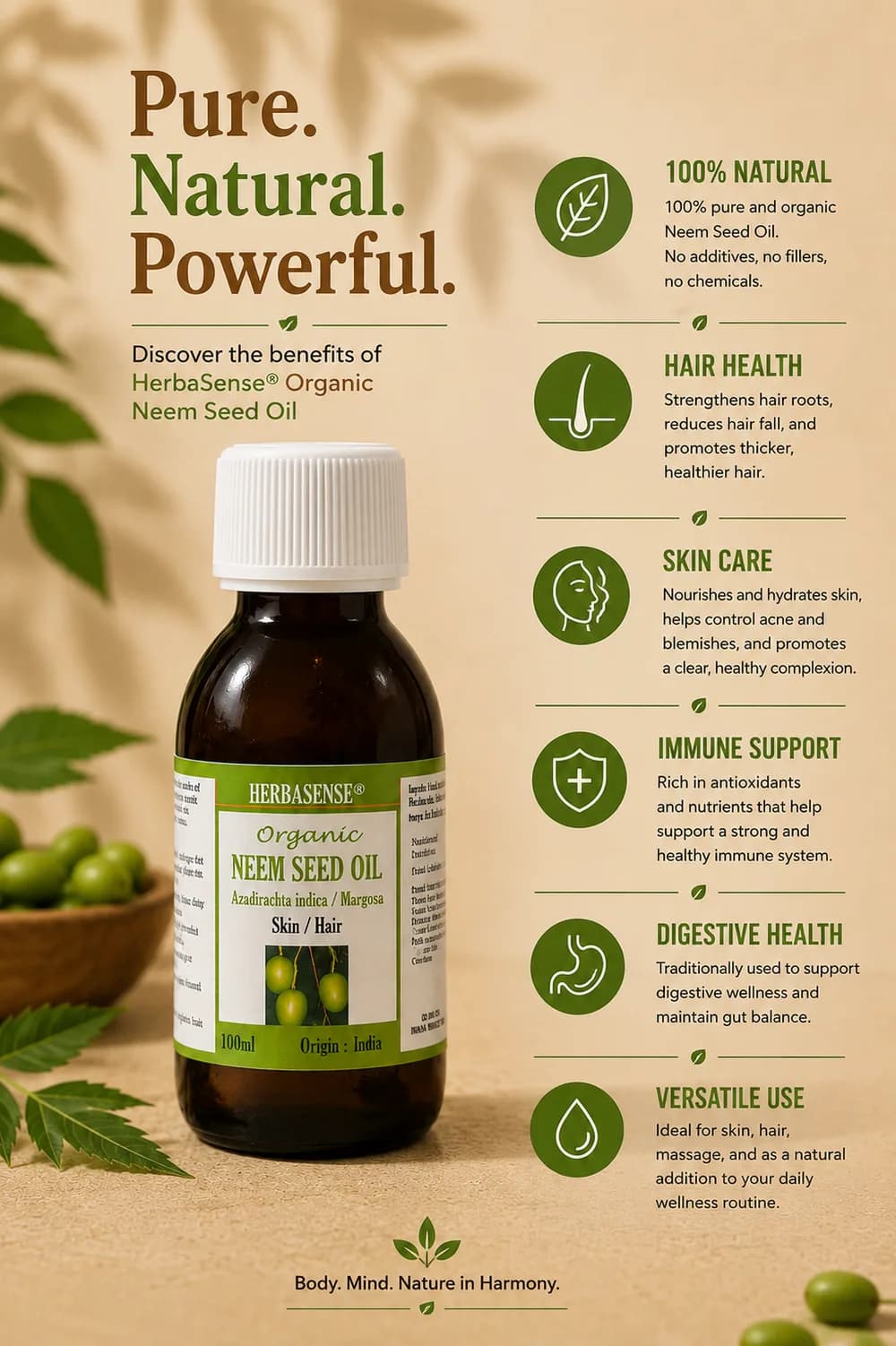
No reviews yetAzadirachtin-rich neem — for scalp, skin and the greenhouse shelf.
Cold-Pressed Oils
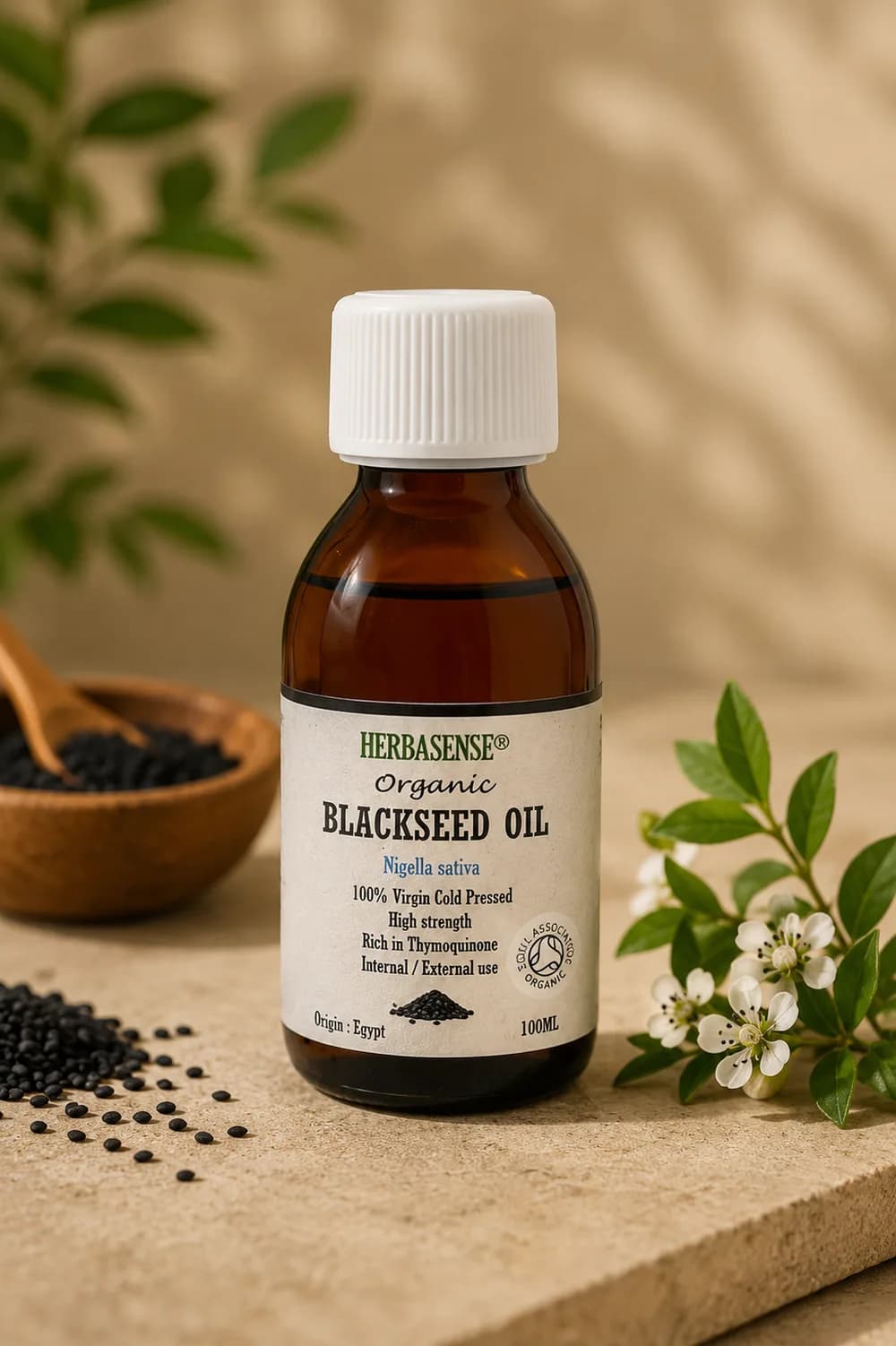
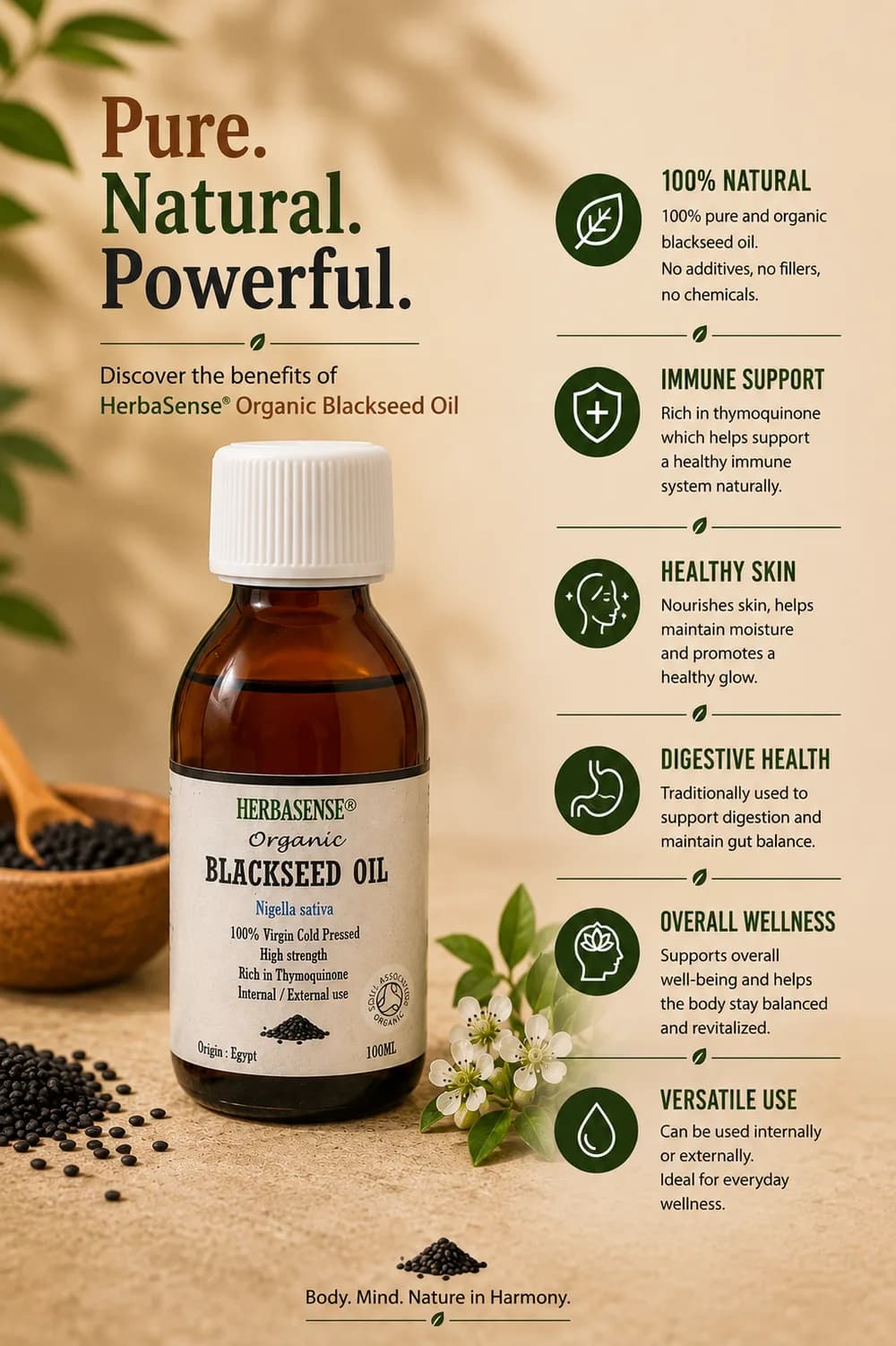
No reviews yetEgyptian kalonji, cold-pressed and thymoquinone-rich. Internal or external.