
Essential Oils
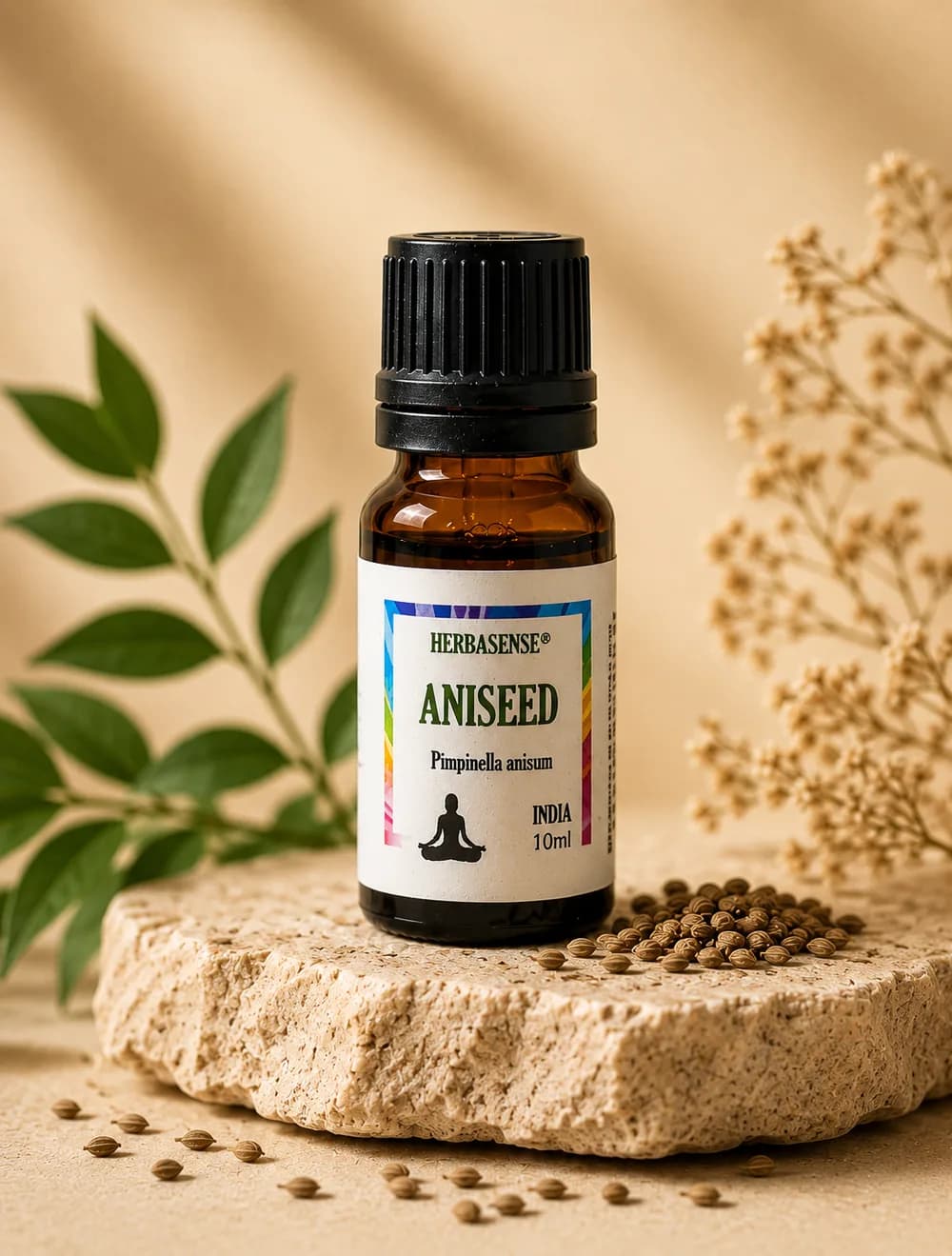
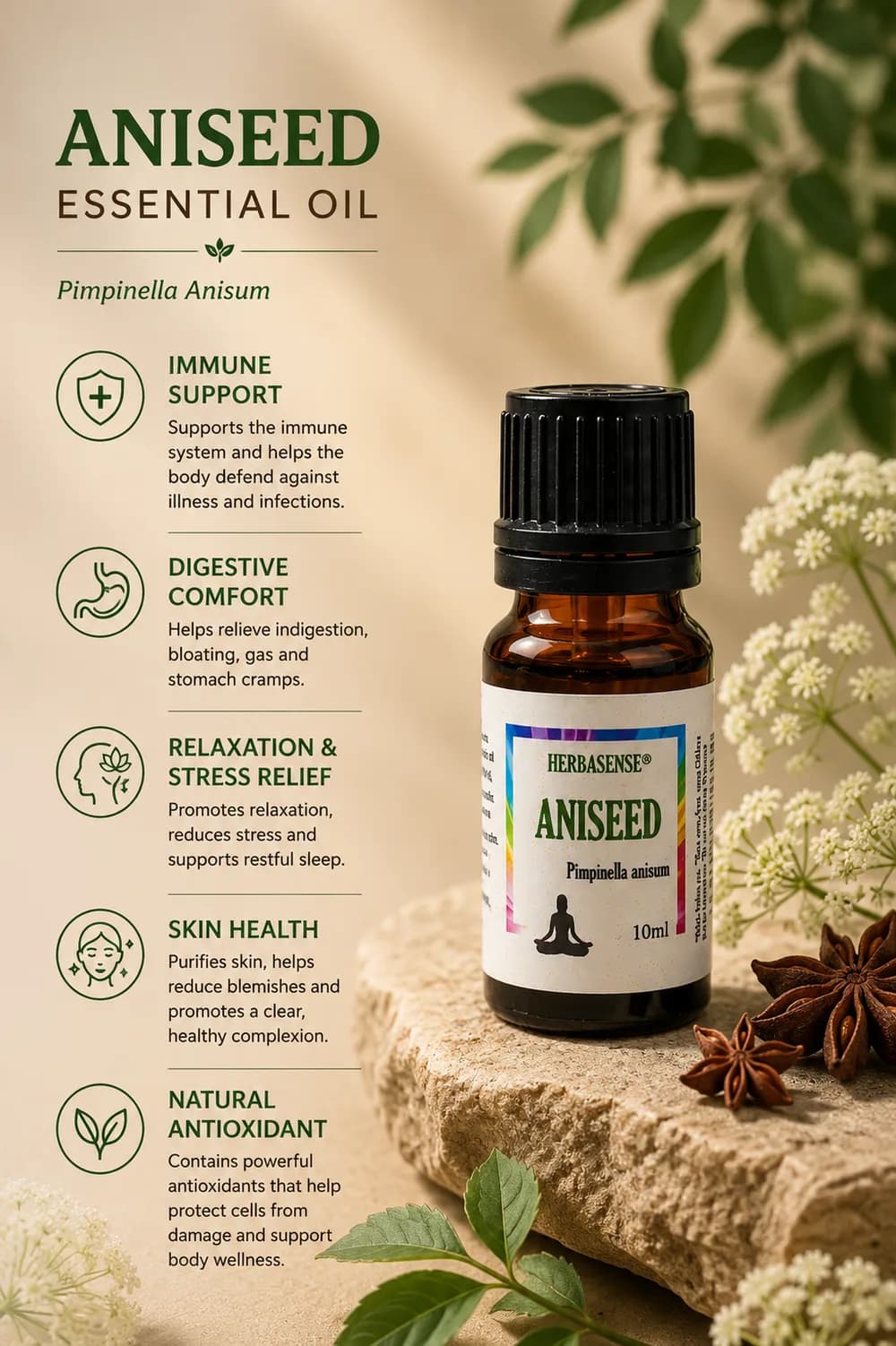
No reviews yetAniseed Essential Oil
Sweet, liquorice-warm anise — for chest, digestion and dark blends.
Aniseed Essential Oil, £7.99
Essential Oils
Citrus aurantium
Essential oil · Citrus aurantium
Tax included. Shipping calculated at checkout.
Bitter Orange Blossom oil
The oil is clear to pale yellow in color and has a sweet, floral scent.
Other Names: Bitter Orange oil, Orange blossom absolute, Orange flower water, Neroli bigarade, Bitter orange blossom oil, Fleur d’oranger, Oranger bigarade
Neroli essential oil is extracted from the flowers of the bitter orange tree, Citrus aurantium ssp. amara. It is a pale yellow to green oil with a sweet, floral scent. The chemical composition of neroli essential oil varies depending on the growing conditions, climate, and harvesting methods used.
Main Chemical constituents: a-pinene, camphene, b-pinene, a-terpinene, nerol, neryl acetate, farnesol, geraniol, linalool, nerolidol, linalyl acetate, methyl anthranilate and indole.
However, the major chemical constituents of neroli essential oil are linalool, linalyl acetate, limonene, and nerolidol.
Linalool is a monoterpene alcohol that is found in many essential oils, including lavender, bergamot, and tea tree. It has a sweet, floral scent and is often used in cosmetics and perfumes. Linalool has also been shown to have antibacterial, antifungal, and anti-inflammatory properties.
Linalyl acetate is an ester that is formed when linalool reacts with acetic acid. It has a sweet, floral scent and is often used in cosmetics and perfumes. Linalyl acetate has also been shown to have antibacterial, antifungal, and anti-inflammatory properties.
Limonene is a monoterpene hydrocarbon that is found in many essential oils, including lemon, grapefruit, and orange. It has a citrusy scent and is often used in cosmetics and perfumes. Limonene has also been shown to have antibacterial, antifungal, and anti-inflammatory properties.
Nerolidol is a sesquiterpene alcohol that is found in many essential oils, including neroli, jasmine, and ylang-ylang. It has a sweet, floral scent and is often used in cosmetics and perfumes. Nerolidol has also been shown to have antibacterial, antifungal, and anti-inflammatory properties.
In addition to the major chemical constituents listed above, neroli essential oil also contains other compounds, such as geraniol, neryl acetate, farnesol, and ocimene. These compounds contribute to the unique scent of neroli essential oil and may also have beneficial properties.
Blends with: Neroli essential oil blends well with a variety of other essential oils, including:
- Bergamot: Bergamot is a citrus oil that has a sweet, refreshing scent. It blends well with neroli to create a light, uplifting aroma.
- Chamomile: Chamomile is a floral oil that has a calming and soothing scent. It blends well with neroli to create a relaxing and restorative aroma.
- Clary sage: Clary sage is a herbaceous oil that has a warm, earthy scent. It blends well with neroli to create a grounding and balancing aroma.
- Frankincense: Frankincense is a resinous oil that has a rich, balsamic scent. It blends well with neroli to create a luxurious and exotic aroma.
- Geranium: Geranium is a floral oil that has a sweet, earthy scent. It blends well with neroli to create a complex and interesting aroma.
- Jasmine: Jasmine is a floral oil that has a rich, heady scent. It blends well with neroli to create a luxurious and sensual aroma.
- Lavender: Lavender is a floral oil that has a calming and soothing scent. It blends well with neroli to create a relaxing and restorative aroma.
- Lemon: Lemon is a citrus oil that has a bright, refreshing scent. It blends well with neroli to create a light and uplifting aroma.
- Mandarin: Mandarin is a citrus oil that has a sweet, citrusy scent. It blends well with neroli to create a light and refreshing aroma.
- Rose: Rose is a floral oil that has a rich, complex scent. It blends well with neroli to create a luxurious and elegant aroma.
- Sandalwood: Sandalwood is a woody oil that has a warm, earthy scent. It blends well with neroli to create a grounding and balancing aroma.
- Ylang ylang: Ylang ylang is a floral oil that has a rich, heady scent. It blends well with neroli to create a luxurious and sensual aroma.
When blending essential oils, it is important to consider the properties of each oil and how they will interact with each other. Some oils are complementary, meaning that they enhance each other’s properties. Other oils are contrasting, meaning that they create a new and interesting aroma. It is also important to consider the desired effect of the blend. Some blends are designed to be calming, while others are designed to be uplifting.
When blending neroli essential oil, it is important to start with a small amount of each oil and add more as needed. It is also important to test the blend on a small area of skin before using it on a larger area. This will help to ensure that you are not allergic to any of the oils in the blend.
Customer voices
Be the first to share how you got on with it — photos welcome.
Sign in to share your experience — we only publish reviews from real accounts.
Ask the herbalists
Anything you'd want to know before ordering — how to take it, what it goes with, how long a jar lasts — ask here and we'll answer it.
Essential Oils
No reviews yetSweet, liquorice-warm anise — for chest, digestion and dark blends.
Essential Oils
No reviews yetSteam-distilled kadi patta — the hair-oil blender's secret weapon.
Essential Oils
No reviews yetSharp, green citrus lift — the brightest oil on the shelf.
Essential Oils
No reviews yetThe mature-skin oil — earthy, restorative, and worth the price.